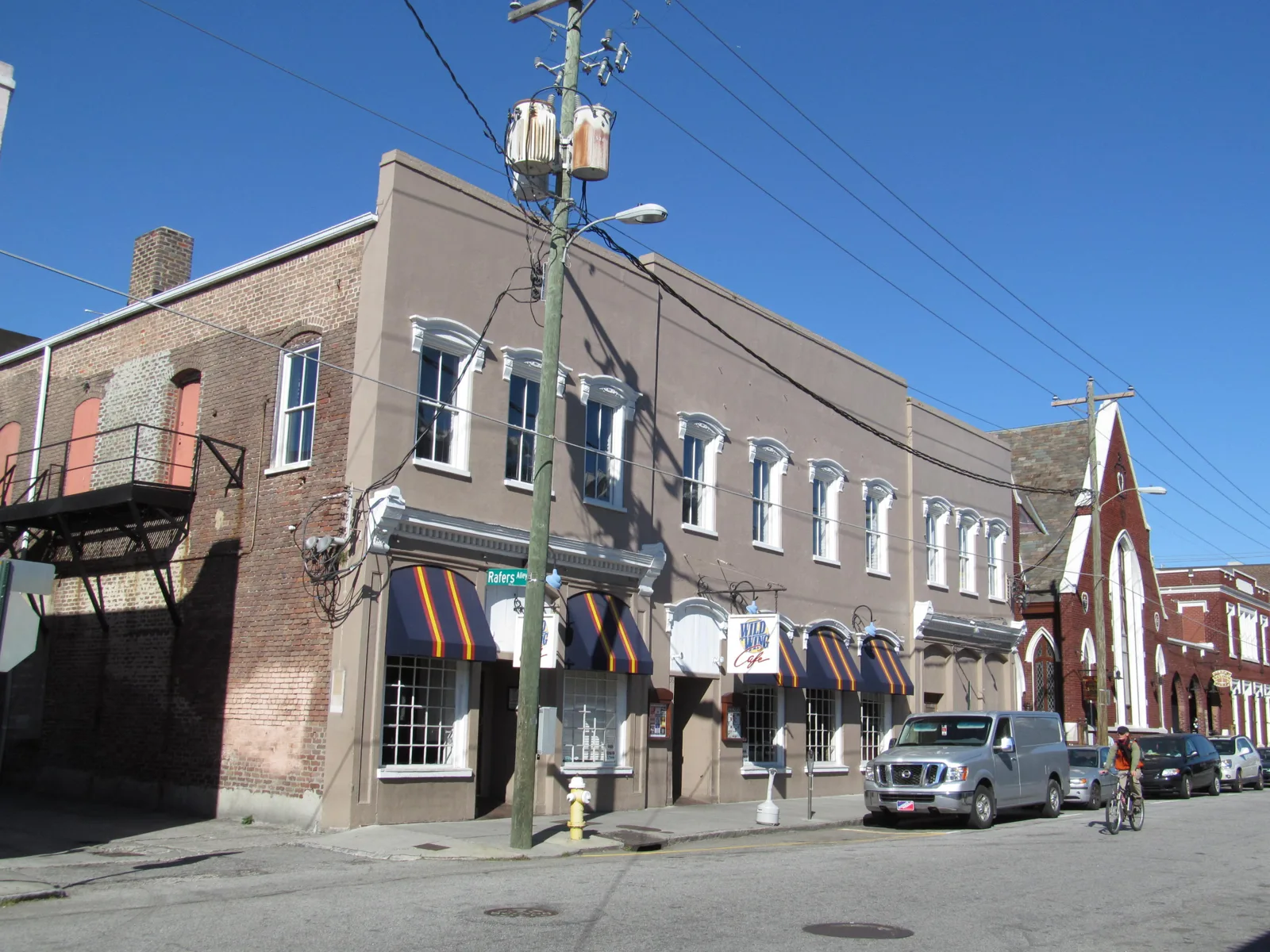
A new Charleston deal with Dominion Energy would drop buried-power-line projects that stall six months and put $1.29 million a year from each side into the work.
Neighborhoods waiting years to have their power lines buried could move up the list faster under a new agreement between Charleston and Dominion Energy South Carolina. A project that stalls would lose its place after six months.
The Charleston City Council gave the franchise agreement first reading approval Tuesday, the city said in a release. It still needs further council votes before it takes effect. It would replace the city’s electric and gas agreements with Dominion, which date from 1996.
The six-month rule
Today, underground work cannot start until every affected property owner has agreed. Projects waiting on those approvals can hold a spot on the city’s list for years, the city said.
Under the proposed agreement:
- a project gets six months from receiving Dominion’s draft easements to secure them
- a project that misses that deadline comes off the list and must reapply to City Council
- the next project on the list moves up
- as soon as one project starts construction, the next begins planning and design
- subject to the budget, there is no cap on how many projects can be under construction
Who pays
Each year, Dominion and the city would each set aside half a percent of Dominion’s electric sales in the city for burying lines. The city would match every dollar Dominion spends on a project. The agreement lists the 2026 contribution as $1,286,770 from each side.
Reliability and safety projects would get priority. City Council would approve the project list.
For bigger projects affecting more than 25 customers, the city could create an underground utility district. A referendum or petition would decide whether the project goes ahead. Property owners in the district could pay a temporary fee for up to 10 years. That fee plus the franchise fee could not exceed 7% of a customer’s electric bill.
“Our agreement with Dominion Energy hasn’t been updated since 1996, and Charleston has changed a lot since then,” Mayor William Cogswell said. “We went to the table with clear priorities, and this agreement delivers on the things residents care about most, starting with burying power lines.”
Other terms
- Length: 20 years, with one 10-year renewal.
- Franchise fee: Dominion pays the city a yearly fee to use city rights-of-way.
- Road work notice: Dominion jobs that affect traffic and last up to 14 days need 10 business days’ notice to the city. For major projects, Dominion and the city would plan traffic control, the schedule and public updates together.
- Tree trimming is covered by a separate agreement with Dominion.
The council also gave first reading approval to a similar agreement with Berkeley Electric Cooperative, which serves a smaller part of the city. The city said the franchise fees come out of revenue already collected from customers inside city limits. It said the new agreements “will not negatively impact current rates.”
What it means for you
- If your street is on the city’s undergrounding list, a project ahead of you that cannot get its easements signed would drop off after six months, and yours would move up.
- If your neighborhood wants to start a project, the agreement sets up a route for larger areas: an underground utility district, decided by referendum or petition, with a fee capped at 7% of the electric bill, including the franchise fee.
- Your rates: the city said the new agreements will not negatively affect current rates.
For outages and downed lines, see our power outage guide. Planned lane closures, including utility work, are on our road construction and closures page.
Have your say